

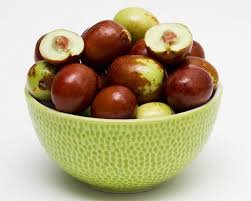
Across the world, many fruits hold deep cultural, historical, and nutritional significance. Some fruits are widely known and consumed globally, while others remain closely tied to specific regions and traditions. One such fruit is žižole, a small but fascinating fruit that has been appreciated for centuries in various parts of the world. Although the name “žižole” may not be familiar to everyone, it refers to the fruit commonly known in English as the jujube. This fruit has a long history of cultivation and has been valued not only for its pleasant taste but also for its potential health benefits and cultural importance.
Žižole are small, round or oval fruits that grow on the jujube tree, which belongs to the botanical genus Ziziphus. These trees are known for their resilience and ability to grow in warm climates, often thriving in regions where other fruit trees might struggle. As the fruit matures, it changes color from green to reddish-brown, eventually developing a texture that resembles a small date. The flavor can range from mildly sweet and crisp when fresh to rich and caramel-like when dried.
For centuries, people in Asia, the Mediterranean region, and parts of the Middle East have cultivated and enjoyed žižole. In traditional practices, the fruit has been used both as a snack and as an ingredient in various culinary dishes. It also appears in historical records related to herbal traditions, where it has been associated with wellness and balanced nutrition.
In modern times, there has been renewed interest in traditional fruits like žižole because of the growing global focus on natural foods and healthy diets. Consumers are increasingly exploring fruits that offer unique flavors, natural sweetness, and potential nutritional advantages. As a result, žižole are gradually gaining recognition beyond their traditional growing regions.
This article explores the fascinating world of žižole by examining their botanical origins, cultural history, nutritional benefits, culinary uses, and the role they may play in modern agriculture and nutrition. By understanding the background and value of this fruit, readers can gain a deeper appreciation for a small yet remarkable part of global food heritage.
The Botanical Origins of Žižole
The fruit known as žižole grows on the jujube tree, scientifically classified within the genus Ziziphus. These trees are believed to have originated in parts of Asia, particularly in regions that are now part of China. Historical evidence suggests that jujube cultivation began thousands of years ago, making it one of the oldest domesticated fruit crops known to humanity.
Jujube trees are well adapted to warm climates and can tolerate drought conditions, which has allowed them to spread across many parts of the world. Over time, they were introduced to regions such as the Middle East, the Mediterranean basin, and parts of Europe. In countries like Italy, Croatia, and Slovenia, the fruit became known as žižole and developed its own place in local agricultural traditions.
The tree itself is relatively small compared to many fruit trees, but it produces a large number of fruits each season. Its branches often contain small thorns, and the leaves are shiny and oval-shaped. During the flowering season, the tree produces small yellowish-green flowers that later develop into the recognizable fruit.
One of the most remarkable qualities of the jujube tree is its resilience. It can survive in challenging environmental conditions, including poor soil quality and periods of limited rainfall. This adaptability has contributed to its long history of cultivation in regions where agricultural resources may be limited.
Historical and Cultural Significance
Throughout history, žižole have played an important role in various cultures. In many Asian societies, the fruit has been associated with prosperity, longevity, and well-being. Ancient texts and traditional practices often reference jujube fruits as part of daily nutrition and herbal preparations.
In China, the jujube has been cultivated for over 4,000 years and remains a common ingredient in traditional cuisine. The fruit is often dried and used in soups, teas, and desserts. It is also frequently included in festive dishes during cultural celebrations.
In Mediterranean regions, žižole have also become part of local traditions. In some towns, seasonal festivals celebrate the harvest of these fruits. Markets display fresh žižole during the autumn months, and families incorporate them into homemade recipes passed down through generations.
The fruit’s cultural significance extends beyond food. In some traditions, jujube trees symbolize resilience and renewal because of their ability to thrive in difficult conditions. This symbolism reflects the broader relationship between agriculture and cultural identity in many societies.
Nutritional Value of Žižole
In addition to their cultural importance, žižole are valued for their nutritional properties. Like many fruits, they contain a variety of vitamins, minerals, and natural compounds that contribute to a balanced diet.
Fresh žižole are particularly rich in vitamin C, which plays a role in supporting the immune system and maintaining healthy skin. The fruit also contains dietary fiber, which supports digestion and contributes to a feeling of fullness. Fiber is an important component of a healthy diet because it helps regulate digestive processes and supports overall gastrointestinal health.
Another notable aspect of žižole is their natural antioxidant content. Antioxidants are compounds that help protect the body’s cells from oxidative stress caused by free radicals. Diets rich in antioxidant-containing foods are often associated with improved overall health and reduced risk of certain chronic conditions.
When dried, the fruit becomes more concentrated in natural sugars and nutrients. Dried žižole have a chewy texture similar to dates and are often enjoyed as a natural snack. Because they contain natural sweetness, they can also be used as a healthier alternative to processed sugary treats.
Culinary Uses of Žižole
Žižole are a versatile fruit that can be used in many different culinary applications. When fresh, they have a crisp texture similar to apples and a mild sweetness that makes them enjoyable as a simple snack. Many people eat them directly after washing, appreciating their refreshing taste.
In cooking, the fruit can be incorporated into both sweet and savory dishes. Some recipes use fresh žižole in salads, where their crisp texture adds variety and subtle sweetness. They can also be cooked with meats or vegetables to create balanced flavors in traditional dishes.
Dried žižole are particularly popular in desserts and baked goods. They can be chopped and added to cakes, breads, and pastries to provide natural sweetness and texture. In many Asian cuisines, dried jujubes are used in herbal soups and teas, where they contribute both flavor and nutritional value.
Another interesting culinary use is the production of jujube-based syrups, jams, and candies. These products highlight the fruit’s natural sweetness and allow it to be preserved for longer periods.
Growing and Harvesting Žižole
The cultivation of žižole requires relatively simple agricultural practices compared to some other fruit crops. Because jujube trees are resilient and adaptable, they can be grown in a wide range of climates, particularly in regions with warm summers and mild winters.
Farmers typically plant young trees in well-drained soil where they can receive plenty of sunlight. Although the trees can tolerate drought, moderate watering during the growing season helps ensure healthy fruit production. Over time, the trees develop strong root systems that allow them to survive even in challenging conditions.
Harvesting usually occurs during the late summer or early autumn months when the fruits change color from green to reddish-brown. At this stage, the fruit reaches its peak flavor and sweetness. Farmers often harvest the fruits by hand to prevent damage and ensure quality.
After harvesting, the fruits may be consumed fresh, dried naturally in the sun, or processed into various food products.
The Future of Žižole in Modern Agriculture
As interest in sustainable agriculture and traditional foods continues to grow, žižole may gain greater recognition in international markets. The fruit’s resilience and relatively low water requirements make it a promising crop in regions affected by climate change and water scarcity.
Researchers and agricultural experts are exploring ways to expand jujube cultivation while maintaining biodiversity and environmental balance. By introducing improved farming techniques and studying different varieties of the fruit, farmers may be able to increase yields and improve fruit quality.
Additionally, the global demand for natural and minimally processed foods is creating new opportunities for fruits like žižole. Consumers who seek unique flavors and nutritious ingredients are increasingly open to trying traditional fruits that were previously limited to specific regions.
Conclusion
Žižole, known internationally as jujube fruits, represent a remarkable combination of history, culture, and nutrition. For thousands of years, these small fruits have been cultivated and enjoyed in various parts of the world, providing both sustenance and cultural significance. Their resilience as a crop, combined with their natural sweetness and nutritional value, has allowed them to remain an important part of traditional diets.
In modern times, the growing interest in sustainable agriculture and natural foods has brought renewed attention to fruits like žižole. Their adaptability to challenging environmental conditions and their versatility in cooking make them a valuable resource for both farmers and consumers.
By appreciating the history and benefits of žižole, people can reconnect with traditional food sources that offer both flavor and nourishment. As global awareness of diverse fruits continues to expand, žižole may find a larger place in the diets and cultures of people around the world.
Frequently Asked Questions (FAQs)
1. What are žižole?
Žižole are small fruits that grow on the jujube tree. They are known for their sweet taste and have been cultivated for thousands of years in Asia and the Mediterranean region.
2. Are žižole the same as jujube fruits?
Yes, the term žižole is commonly used in certain European regions to refer to jujube fruits.
3. Can žižole be eaten fresh?
Yes, they can be eaten fresh when they are crisp and slightly sweet, or dried when they develop a chewy texture similar to dates.
4. What nutrients do žižole contain?
Žižole contain vitamin C, dietary fiber, antioxidants, and natural sugars that contribute to a balanced diet.
5. Where are žižole commonly grown?
They are commonly grown in Asia, the Mediterranean region, and parts of the Middle East, although cultivation is expanding to other regions as well.
