

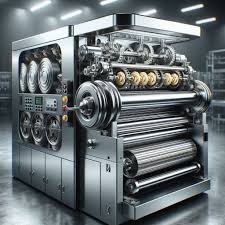
Tortellinatrice is a term that refers to a specialized machine designed to produce tortellini, one of Italy’s most iconic stuffed pasta shapes, with precision, speed, and consistency. Rooted deeply in the culinary traditions of Emilia-Romagna, tortellini have long been crafted by hand, a process that requires exceptional skill, patience, and time. As demand for fresh pasta has grown globally, the tortellinatrice has emerged as a bridge between tradition and modern food technology, allowing artisans, restaurants, and food manufacturers to preserve authenticity while achieving commercial efficiency. This machine represents more than mechanical convenience; it symbolizes the evolution of gastronomy where heritage recipes meet engineering innovation, ensuring that the delicate balance of dough thickness, filling quantity, and classic ring shape can be reproduced reliably without sacrificing quality or flavor.
The Origins and Cultural Significance of Tortellini
Tortellini hold a revered place in Italian cuisine, particularly in Bologna and Modena, where they are celebrated as a culinary treasure. Traditionally made by hand, tortellini require meticulous craftsmanship to roll the dough thin enough to be tender yet strong enough to hold the filling, and to fold each piece into the iconic navel-like shape. The cultural importance of tortellini extends beyond food, representing family traditions, regional identity, and communal gatherings. The development of the tortellinatrice did not aim to replace this heritage but to preserve it in a changing world where labor availability, time constraints, and large-scale demand challenge traditional production methods. By replicating the essential movements of human hands through calibrated mechanical processes, the tortellinatrice ensures that the spirit of this age-old dish continues to thrive in both artisanal kitchens and industrial facilities.
What Is a Tortellinatrice?
A tortellinatrice is a pasta-forming machine engineered specifically to shape, fill, and fold tortellini with uniform precision. Unlike generic pasta machines, it incorporates molds, rollers, and filling injectors designed to reproduce the traditional tortellini form. The machine typically consists of a dough sheeting system that rolls pasta to a consistent thickness, a filling dispenser that places precise amounts of stuffing onto the dough, and a forming mechanism that cuts and folds each piece into its signature shape. Advanced models allow operators to adjust parameters such as dough thickness, filling weight, and production speed, offering flexibility for different recipes and portion sizes. Through this integration of mechanical accuracy and culinary sensitivity, the tortellinatrice transforms a labor-intensive craft into a scalable process without compromising authenticity.
How the Tortellinatrice Works
The operation of a tortellinatrice follows a carefully synchronized sequence that mirrors traditional hand-making techniques. First, prepared pasta dough is fed into the machine, where rollers flatten it into thin sheets of uniform thickness. These sheets pass beneath a filling injector that deposits small, evenly spaced portions of stuffing. A forming die then folds the dough around each portion, shaping it into the characteristic ring-like form. Simultaneously, cutting blades separate individual tortellini from the dough sheet. The entire process occurs continuously, enabling high production rates while maintaining consistency. Modern machines incorporate sensors and digital controls to monitor dough tension, filling flow, and forming accuracy, ensuring minimal waste and optimal quality throughout the production cycle.
Types of Tortellinatrice Machines
Tortellinatrice machines are available in various configurations to suit different production scales and culinary needs. Manual or semi-automatic models are often used by small restaurants and artisanal producers, offering greater control and customization while increasing efficiency compared to hand production. Fully automatic industrial machines, on the other hand, are designed for large-scale operations, capable of producing thousands of tortellini per hour with minimal human intervention. These machines often include integrated cooking, drying, or packaging systems to streamline the entire production workflow. Each type serves a distinct purpose, allowing producers to choose a solution that aligns with their volume requirements, budget constraints, and quality standards.
Advantages of Using a Tortellinatrice
The adoption of a tortellinatrice offers numerous advantages for both small and large producers. One of the most significant benefits is consistency, as each piece of tortellini is formed with identical dimensions, filling quantity, and shape. This uniformity enhances product presentation and ensures even cooking. Efficiency is another major advantage, as machines dramatically reduce production time and labor costs compared to manual methods. Additionally, the ability to control filling ratios and dough thickness improves quality control and reduces ingredient waste. For businesses seeking to scale operations without compromising authenticity, the tortellinatrice provides a reliable and cost-effective solution that preserves the integrity of traditional recipes.
Materials and Construction Quality
High-quality tortellinatrice machines are typically constructed from food-grade stainless steel to ensure durability, hygiene, and resistance to corrosion. Components that come into contact with dough or filling are designed for easy disassembly and cleaning, minimizing the risk of contamination and simplifying maintenance. Precision-engineered molds and rollers ensure consistent shaping, while robust motors and gear systems provide reliable performance even under continuous operation. The emphasis on construction quality reflects the machine’s role in food production, where safety, reliability, and longevity are paramount.
Innovation and Technological Advancements
Modern tortellinatrice machines incorporate advanced technologies that enhance performance, efficiency, and user experience. Digital control panels allow operators to adjust production parameters with precision, while programmable settings enable rapid switching between different recipes. Some models feature automated cleaning cycles, reducing downtime and labor requirements. Integration with upstream and downstream equipment, such as dough mixers and packaging lines, further streamlines production. These innovations demonstrate how food machinery continues to evolve, blending traditional culinary knowledge with cutting-edge engineering to meet contemporary demands.
Applications Beyond Traditional Tortellini
While primarily designed for tortellini, many tortellinatrice machines can be adapted to produce other filled pasta varieties, such as cappelletti, agnolini, or ravioli. By changing molds and adjusting settings, producers can diversify their product offerings without investing in additional machinery. This versatility enhances the machine’s value and supports culinary creativity, enabling chefs and manufacturers to experiment with new fillings, shapes, and flavors while maintaining efficient production workflows.
The Future of Tortellinatrice Technology
The future of tortellinatrice technology is likely to be shaped by sustainability, automation, and digital integration. Energy-efficient motors, recyclable materials, and reduced waste systems are becoming increasingly important as producers seek environmentally responsible solutions. Greater automation, supported by artificial intelligence and predictive maintenance tools, may further improve reliability and performance. As global appreciation for fresh pasta continues to grow, the tortellinatrice will remain a vital instrument in preserving culinary heritage while embracing modern innovation.
Conclusion
The tortellinatrice stands as a remarkable example of how traditional culinary practices can be preserved and enhanced through thoughtful technological innovation. By replicating the delicate art of tortellini making with mechanical precision, this machine enables producers to meet growing demand without sacrificing quality, authenticity, or efficiency. Its adaptability, consistency, and scalability make it an indispensable tool for modern pasta production, bridging the gap between heritage and industry. As food technology continues to evolve, the tortellinatrice will undoubtedly remain a cornerstone of fresh pasta craftsmanship, ensuring that one of Italy’s most beloved dishes continues to delight generations to come.
Frequently Asked Questions (FAQs)
What is a tortellinatrice?
A tortellinatrice is a specialized machine used to shape, fill, and fold tortellini with consistent precision and efficiency.
Who should use a tortellinatrice?
Restaurants, artisanal pasta makers, and food manufacturers who produce fresh or filled pasta can benefit from using a tortellinatrice.
Can a tortellinatrice make other types of pasta?
Yes, many models can be adapted to produce other filled pasta varieties by changing molds and adjusting settings.
Is a tortellinatrice suitable for small businesses?
Yes, semi-automatic models are ideal for small-scale producers seeking improved efficiency without large capital investment.
How is hygiene maintained in a tortellinatrice?
High-quality machines are made from food-grade stainless steel and designed for easy disassembly and cleaning.
