

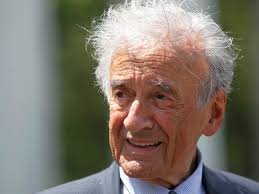
Elie Wiesel, a Holocaust survivor, Nobel Laureate, and author of the iconic book Night, is one of the most prominent voices in human rights and Holocaust remembrance. Born in Sighet, Romania, in 1928, Wiesel’s early life in Romania shaped his worldview and deeply influenced his writing. Romania, during Wiesel’s childhood, was a country marked by complex political changes, anti-Semitic sentiments, and social upheavals, which became the backdrop of his formative years. Understanding Wiesel’s Romanian origins is essential to comprehending the experiences that shaped his identity, his writing, and his lifelong advocacy for memory, justice, and compassion.
Early Life in Sighet, Romania: Family, Education, and Cultural Roots That Shaped Young Elie Wiesel
Elie Wiesel was born on September 30, 1928, in the town of Sighet, in the region of Maramureș, northern Romania. Sighet was a small, tight-knit community with a rich Jewish tradition, where Wiesel grew up surrounded by family, religious teachings, and the rhythms of traditional Jewish life. His father, Shlomo Wiesel, was a respected businessman, and his mother, Sarah, managed the household with deep devotion to Jewish customs. Wiesel had three sisters, Hilda, Bea, and Tzipora. His childhood was marked by a strong attachment to Jewish learning and culture, and he excelled in his studies, particularly in religious texts. However, his idyllic childhood was disrupted by the growing tide of anti-Semitism in Romania during the 1930s, especially as the country aligned more closely with Nazi Germany during World War II. The Hungarian occupation of Northern Transylvania in 1940, which included Sighet, brought stricter anti-Jewish laws, curfews, and restrictions that would soon culminate in the deportation of Wiesel and his family to Nazi concentration camps.
The Rise of Anti-Semitism in Romania and Its Profound Impact on Jewish Communities in the 1930s and 1940s
During Wiesel’s formative years, Romania was experiencing severe social and political turmoil. Anti-Semitism was a significant factor in the lives of Romanian Jews. Laws were enacted to limit their rights, prevent them from participating fully in society, and segregate them from the broader Romanian population. In Northern Transylvania, where Wiesel lived, the situation worsened after the region was ceded to Hungary in 1940. Jews were forced into ghettos, subjected to arbitrary arrests, and ultimately deported to Auschwitz and other concentration camps. Wiesel himself documented the horrors of this period, highlighting how ordinary citizens often ignored or participated in the persecution. These early experiences in Romania left a lasting impression on Wiesel, instilling in him both a profound sense of loss and a responsibility to bear witness to history through his writing.
Deportation to Auschwitz: The Brutal Journey from Sighet to the Nazi Concentration Camps
In May 1944, when Wiesel was just 15 years old, the Hungarian authorities, under Nazi direction, rounded up the Jewish population of Sighet. Wiesel, along with his family and thousands of others, was forced onto overcrowded trains bound for Auschwitz-Birkenau. The journey was brutal, with little food, no water, and inhumane conditions. Upon arrival, Wiesel was separated from his mother and youngest sister, both of whom were immediately sent to the gas chambers. He remained with his father, enduring forced labor, starvation, and the constant threat of death. These experiences, rooted in his Romanian upbringing and the subsequent deportation, became central to Wiesel’s later work, particularly in Night, where he described the moral, spiritual, and emotional devastation wrought by the Holocaust.
Life in the Concentration Camps: Enduring Extreme Hardship and the Struggle to Maintain Humanity
The months and years following his arrival at Auschwitz were filled with unimaginable suffering. Wiesel and his father were moved between Auschwitz and Buchenwald, another concentration camp in Germany. Life in the camps was characterized by extreme cruelty, deprivation, and the loss of humanity. Wiesel later reflected on how his Romanian education and Jewish upbringing provided him with a foundation to endure these hardships. His knowledge of Jewish texts, history, and moral philosophy gave him a lens through which he could interpret the incomprehensible brutality around him. Despite the relentless oppression, Wiesel witnessed moments of courage, solidarity, and resilience, which also became crucial themes in his writings. His father’s death shortly before the liberation of Buchenwald in April 1945 left a profound mark on Wiesel, deepening his understanding of loss, memory, and the fragility of human life.
Returning to Post-War Romania: The Challenge of Rebuilding Life After the Holocaust
After liberation, Wiesel returned briefly to Romania, only to find a changed and devastated homeland. Many of his family members, friends, and community members had perished. Post-war Romania was also undergoing political transformation under communist influence, which further complicated the rebuilding of Jewish communities. Wiesel found himself in a liminal space—no longer a child, yet profoundly disconnected from his past life. He studied in France, eventually becoming a journalist, lecturer, and writer, but his Romanian roots and memories of Sighet remained central to his identity and literary voice. His experiences in Romania, combined with the trauma of the Holocaust, became a driving force behind his lifelong mission to ensure that the atrocities of the Holocaust were neither forgotten nor repeated.
Romania’s Influence on Wiesel’s Literary Work: How His Childhood Shaped a Lifelong Commitment to Memory and Justice
Wiesel’s literary contributions are vast and internationally recognized, with Night being the most widely read and translated. His works often reflect the dual influence of Romanian Jewish culture and the horrors of the Holocaust. Romania represents the innocence and richness of his early life, while the deportations and suffering highlight the collapse of that world under fascist and totalitarian regimes. Wiesel’s writings are not just memoirs but philosophical explorations of memory, evil, justice, and the moral responsibility of witnesses. Through his books, lectures, and advocacy, Wiesel carried the story of Romanian Jewry to the global stage, ensuring that his homeland’s Jewish history would not be forgotten.
Humanitarian Work and Advocacy: How Romanian Roots Inspired Wiesel’s Global Mission for Peace and Justice
Beyond literature, Elie Wiesel became a prominent humanitarian and advocate for human rights. His Romanian roots gave him a unique perspective on oppression, prejudice, and social injustice. He worked tirelessly to combat indifference to human suffering, raising awareness about genocides around the world, supporting education about the Holocaust, and promoting ethical responsibility. His Nobel Peace Prize in 1986 recognized not just his literary achievements but also his commitment to humanitarian causes. Romania, as the starting point of his life story, played an essential role in shaping the values and moral clarity that underpinned his activism.
Preserving Wiesel’s Legacy in Romania: Museums, Education, and Cultural Remembrance Today
Today, Romania honors Wiesel’s legacy as one of its most famous sons. Museums, cultural institutions, and educational programs commemorate his life and work, highlighting the Jewish heritage of regions like Sighet. Wiesel’s story serves as a reminder of both the contributions of Romanian Jews to national and global culture and the catastrophic consequences of intolerance and hatred. The preservation of Romanian Jewish history is intrinsically linked to the global memory of the Holocaust, and Wiesel remains central to this ongoing mission.
FAQs
Who was Elie Wiesel?
Elie Wiesel was a Romanian-born Jewish writer, Holocaust survivor, Nobel Laureate, and human rights activist known for his book Night and his lifelong advocacy for memory and justice.
Where in Romania was Elie Wiesel born?
He was born in Sighet, a town in Maramureș, northern Romania, in 1928.
How did Wiesel’s Romanian upbringing influence his writing?
His Romanian upbringing provided him with a deep connection to Jewish culture, religious education, and community values, which shaped his worldview and informed his reflections on morality, memory, and the Holocaust.
What happened to Wiesel during World War II?
At age 15, Wiesel and his family were deported from Sighet to Auschwitz. His mother and younger sister were killed, and he endured years of forced labor in concentration camps, including Buchenwald, surviving only with his father’s support until liberation.
Did Wiesel return to Romania after the war?
Yes, he returned briefly after liberation but eventually moved to France to continue his studies and begin his career as a writer and journalist.
Why is Romania important in Wiesel’s life story?
Romania represents his early life, cultural roots, and the community destroyed by the Holocaust. It shaped his identity and moral perspective, which informed his literary and humanitarian work.
Conclusion: The Enduring Connection Between Elie Wiesel and His Romanian Heritage
Elie Wiesel’s life is a powerful testament to resilience, memory, and moral responsibility. Born in Romania, he witnessed the destruction of his community and family, endured unimaginable suffering, and emerged as a voice for truth and justice. His writings preserve not only his own experiences but also the broader history of Romanian Jewry during the Holocaust. Through his literature and humanitarian work, Wiesel reminds the world that remembering history is essential to preventing its repetition. Romania, as the backdrop of his formative years, remains inseparable from his legacy, ensuring that both his personal story and the story of his homeland continue to educate, inspire, and caution future generations.
