

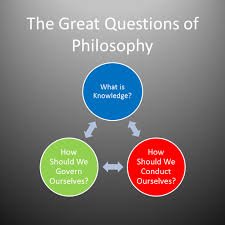
Philosophical questions have been part of human thinking for thousands of years. Since the beginning of civilization, people have wondered about life, existence, knowledge, morality, and the universe. These questions do not always have clear or definite answers, but they encourage deep thinking and help individuals understand themselves and the world around them. Philosophical questions are not limited to scholars or academics; they are questions that everyone encounters at some point in life. Whether someone is reflecting on the meaning of life, the nature of happiness, or the difference between right and wrong, philosophy becomes a part of their everyday thinking. These questions challenge our beliefs, shape our values, and influence how we see reality.
Philosophy is often described as the love of wisdom, and philosophical questions are the tools through which this wisdom is pursued. They encourage curiosity, critical thinking, and open-mindedness. Instead of accepting ideas blindly, philosophy teaches individuals to question assumptions, evaluate arguments, and explore different perspectives. Throughout history, philosophers have used questions as the starting point for discovering truth and understanding complex issues related to human existence. In modern society, philosophical questions remain just as relevant as they were in ancient times, because people continue to search for purpose, identity, and meaning in their lives.
What Are Philosophical Questions?
Philosophical questions are deep and thought-provoking questions that explore fundamental aspects of life, knowledge, reality, ethics, and existence. Unlike simple factual questions that can be answered with clear data or evidence, philosophical questions often require reflection, reasoning, and interpretation. These questions do not always have a single correct answer, and different philosophers or thinkers may provide different explanations depending on their beliefs, experiences, and perspectives. For example, questions like “What is the meaning of life?” or “What is truth?” cannot be answered in a single sentence because they involve complex ideas and personal viewpoints.
Philosophical questions are important because they encourage people to think beyond everyday concerns and explore deeper ideas about the world. They challenge individuals to examine their assumptions, values, and beliefs. By thinking about these questions, people develop stronger reasoning skills and become more aware of the philosophical ideas that shape society. Philosophical questions also help individuals understand different viewpoints and appreciate the diversity of human thought. This process of questioning and reflection is essential for intellectual growth and personal development.
The Importance of Asking Philosophical Questions
Asking philosophical questions plays a crucial role in expanding human knowledge and understanding. When people question their surroundings and the principles that guide their lives, they develop a deeper awareness of reality and human behavior. Philosophical questions encourage individuals to explore the reasons behind their beliefs and consider whether those beliefs are justified. This process helps people avoid accepting ideas without critical thinking and promotes intellectual independence.
In addition to intellectual growth, philosophical questions also contribute to moral and ethical development. Many philosophical discussions focus on issues such as justice, fairness, responsibility, and human rights. By thinking about these topics, individuals can develop a stronger sense of morality and better understand the consequences of their actions. Philosophical questioning also encourages empathy, because it allows people to consider perspectives different from their own. When individuals engage in philosophical thinking, they become more thoughtful, reflective, and aware of the complexities of human life.
Questions About the Meaning of Life
One of the most common areas of philosophical inquiry is the meaning of life. Throughout history, people have asked whether life has a specific purpose or whether individuals must create their own meaning. Some philosophers believe that life has a universal purpose connected to spirituality or a higher power, while others argue that meaning is created through personal experiences, relationships, and achievements. This question has inspired countless debates, writings, and philosophical theories.
Thinking about the meaning of life encourages individuals to reflect on their goals, values, and priorities. It prompts people to consider what truly matters to them and how they want to live their lives. For some, meaning may be found in helping others, pursuing knowledge, or building meaningful relationships. For others, meaning might be connected to creativity, exploration, or personal growth. While there may not be a single answer that satisfies everyone, exploring this question can help individuals live more purposeful and fulfilling lives.
Philosophical Questions About Reality
Another major area of philosophy involves questions about reality and existence. Philosophers often ask whether the world we experience is truly real or whether it could be an illusion. Questions such as “What is reality?” and “How do we know that our perceptions are accurate?” have been debated for centuries. These questions are part of a branch of philosophy known as metaphysics, which studies the nature of reality, existence, and the universe.
Exploring questions about reality can change how people perceive the world around them. It encourages individuals to think about the reliability of their senses and the limitations of human knowledge. For example, modern science has shown that many aspects of reality, such as atoms, energy, and the structure of the universe, are far more complex than they appear to our senses. Philosophical thinking about reality allows people to explore these complexities and consider the possibility that reality might be deeper and more mysterious than it seems.
Ethical and Moral Philosophical Questions
Ethics is another important branch of philosophy that focuses on questions of right and wrong. Ethical philosophical questions explore how people should behave, what actions are morally acceptable, and how societies should create fair and just systems. Questions such as “What is the right thing to do?” and “Are moral values universal or relative?” are central to ethical philosophy.
These questions are highly relevant in everyday life because individuals constantly face decisions that involve moral considerations. Ethical philosophy encourages people to evaluate their actions and consider the impact they have on others. It also helps societies create laws and guidelines that promote fairness, equality, and justice. By engaging with ethical questions, individuals can develop stronger moral reasoning and become more responsible members of society.
Philosophical Questions About Knowledge
Philosophers have long been interested in understanding the nature of knowledge and how people acquire it. Questions such as “What is knowledge?” and “How can we know something for certain?” belong to a branch of philosophy called epistemology. These questions explore the sources of knowledge, including perception, reason, experience, and evidence.
Understanding philosophical questions about knowledge helps individuals become more critical thinkers. It encourages them to evaluate the reliability of information and distinguish between facts, opinions, and assumptions. In today’s world, where people are exposed to large amounts of information through technology and media, the ability to question and analyze knowledge is more important than ever. Philosophical thinking helps individuals develop the skills needed to evaluate information carefully and make informed decisions.
Philosophical Questions About Human Identity
Another fascinating area of philosophical inquiry involves questions about personal identity and the nature of the self. Philosophers often ask what makes a person who they are and whether identity is determined by memory, personality, physical body, or consciousness. Questions like “Who am I?” and “What defines a person?” encourage individuals to reflect on their sense of self and personal development.
These questions are important because they help people understand how identity evolves over time. As individuals grow and experience new situations, their beliefs, values, and perspectives often change. Philosophical reflection on identity allows people to explore how these changes shape their understanding of themselves and their place in the world. It also raises interesting discussions about topics such as consciousness, free will, and personal responsibility.
The Role of Philosophical Questions in Modern Society
In modern society, philosophical questions continue to influence many aspects of life, including science, politics, education, and culture. Philosophical thinking helps societies examine complex issues such as technological advancements, environmental challenges, and ethical dilemmas. For example, debates about artificial intelligence, genetic engineering, and privacy often involve philosophical questions about ethics, human rights, and the future of humanity.
Philosophical questions also play an important role in education by encouraging students to develop critical thinking skills. When students learn to analyze arguments, question assumptions, and explore different viewpoints, they become better problem solvers and more thoughtful citizens. Philosophy teaches individuals how to think rather than what to think, which makes it an essential part of intellectual development in any society.
Frequently Asked Questions
What are philosophical questions?
Philosophical questions are deep and thought-provoking questions that explore fundamental ideas about life, knowledge, morality, reality, and human existence.
Why are philosophical questions important?
They help people develop critical thinking skills, explore different perspectives, and better understand complex ideas about life and the world.
Do philosophical questions have definite answers?
Most philosophical questions do not have a single definitive answer, because they involve interpretation, reasoning, and personal beliefs.
Can anyone think about philosophical questions?
Yes, philosophical thinking is not limited to scholars or philosophers. Anyone who reflects on life, values, or existence is engaging in philosophical thinking.
How do philosophical questions affect daily life?
They influence how people make decisions, understand morality, evaluate knowledge, and define their personal values and goals.
Conclusion
Philosophical questions have always played a central role in shaping human thought and understanding. By encouraging individuals to explore ideas about life, reality, knowledge, and morality, philosophy helps people develop deeper insights into themselves and the world around them. Although these questions often do not have simple answers, the process of thinking about them is valuable because it promotes curiosity, reflection, and intellectual growth. Philosophical questioning encourages people to challenge assumptions, consider different perspectives, and seek wisdom in a complex and ever-changing world. In this way, philosophy remains an essential part of human culture and continues to inspire meaningful discussions about the most important aspects of existence.
