

Pepper X is not just another chili pepper; it is a symbol of the extreme limits of heat, human curiosity, and agricultural experimentation. Known officially as the hottest pepper ever recorded, Pepper X has captured global attention for its intense spiciness and mysterious development process. Created through years of selective breeding, this pepper surpasses previous heat champions and challenges what people believe is possible in terms of natural spice. For chili enthusiasts, food scientists, and thrill-seekers alike, Pepper X represents both fascination and caution. This article explores Pepper X in depth, including its origins, cultivation, heat level, health effects, culinary uses, and cultural impact, offering a comprehensive understanding of why this pepper has become legendary.
The Origin and Creation of Pepper X
Pepper X was developed by Ed Currie, an American chili breeder and founder of the PuckerButt Pepper Company, who is also famous for creating the Carolina Reaper. Unlike peppers that evolve naturally in the wild, Pepper X is the result of deliberate and patient cross-breeding over many years. The goal was not simply to create a hotter pepper but to push the boundaries of capsaicin concentration, the compound responsible for heat in chili peppers. The development process took more than a decade, involving careful selection of pepper strains, controlled pollination, and rigorous testing to ensure consistency and stability.
What makes Pepper X especially intriguing is the secrecy surrounding its exact genetic makeup. Currie has chosen not to disclose all the parent strains used, primarily to protect intellectual property. This secrecy has only added to the pepper’s mystique, making it a subject of intense curiosity among chili growers and researchers. The creation of Pepper X demonstrates how human innovation can dramatically influence agricultural outcomes, producing plants that far exceed natural heat levels found in traditional chili varieties.
Scoville Heat Units and Extreme Spiciness
The heat of chili peppers is measured using the Scoville Heat Unit (SHU) scale, which quantifies the amount of capsaicin present. Pepper X has been officially measured at over 2.6 million Scoville Heat Units, making it significantly hotter than the Carolina Reaper, which averages around 1.6 million SHU. This extraordinary heat level places Pepper X at the absolute top of the chili heat hierarchy.
To put this into perspective, a jalapeño typically measures between 2,500 and 8,000 SHU, while a habanero ranges from 100,000 to 350,000 SHU. Pepper X is not just incrementally hotter; it exists in a completely different category. Consuming it raw can cause intense physical reactions, including sweating, burning sensations, and digestive discomfort. The extreme heat is not meant for casual eating but rather controlled use in sauces, extracts, and challenges designed for experienced spice consumers.
Physical Characteristics and Appearance
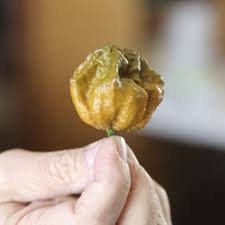
Despite its fearsome reputation, Pepper X looks deceptively ordinary at first glance. The pepper is small to medium in size, often irregularly shaped, with a bumpy, twisted surface similar to other super-hot peppers. Its color typically ranges from green when unripe to yellowish-green or pale red when fully mature, which is unusual compared to the bright red color of many other super-hot chilies.
The skin of Pepper X is thick and textured, which contributes to its ability to hold an extremely high concentration of capsaicin. Inside, the pepper contains a dense placenta, the inner membrane where most capsaicin is stored. This internal structure plays a significant role in its extreme heat level. While it may not look dramatically different from other hot peppers, its internal chemistry makes it one of the most powerful natural substances consumed by humans.
How Pepper X Is Grown and Cultivated
Growing Pepper X is not a simple task and is typically limited to controlled environments. The pepper requires warm temperatures, consistent sunlight, and carefully managed soil conditions. Due to its sensitivity, it is often grown in greenhouses where humidity, temperature, and exposure to pests can be tightly regulated. This controlled cultivation ensures both safety and quality, as accidental cross-pollination or environmental stress could affect the pepper’s stability.
The plant itself is relatively hardy once established, but germination and early growth stages require special attention. Farmers must use protective equipment when handling the plants, as even touching the peppers can cause skin irritation. The cultivation process reflects the seriousness with which Pepper X is treated, emphasizing that this is not a novelty plant but a carefully engineered agricultural product.
Health Effects and Physical Reactions
Consuming Pepper X can trigger intense physiological reactions due to its extremely high capsaicin content. When ingested, capsaicin binds to pain receptors in the mouth and digestive system, sending signals to the brain that mimic burning. This can lead to sweating, increased heart rate, tearing of the eyes, and even temporary difficulty breathing for some individuals.
While capsaicin has known health benefits in small amounts, such as boosting metabolism and reducing inflammation, Pepper X should be approached with caution. Excessive consumption can cause nausea, stomach cramps, and gastrointestinal distress. Medical professionals strongly advise against eating Pepper X raw, especially for individuals with underlying health conditions. Responsible consumption, usually in diluted sauces or tiny quantities, is essential to minimize risks.
Culinary Uses and Commercial Products
Pepper X is rarely used in home cooking due to its intensity. Instead, it is primarily featured in specialty hot sauces, extracts, and novelty food products designed for extreme heat enthusiasts. One of the most famous uses of Pepper X is in high-end hot sauces that advertise themselves as the hottest in the world. These sauces often use precise measurements to deliver heat without overwhelming flavor entirely.
Despite its heat, Pepper X does have a subtle fruity and earthy flavor profile when used in extremely small amounts. Skilled sauce makers aim to balance this flavor with vinegar, garlic, or sweet ingredients to create a complex taste experience. In this way, Pepper X is not just about pain or shock but also about culinary craftsmanship at the extreme edge of spice.
Cultural Impact and Media Attention
Pepper X has gained widespread attention through social media, documentaries, and competitive eating challenges. Videos of people attempting to eat Pepper X products often go viral, showcasing dramatic reactions and reinforcing the pepper’s reputation. This media exposure has helped solidify Pepper X as a cultural icon within the chili community and beyond.
Beyond entertainment, Pepper X also represents human fascination with extremes. Much like mountain climbing or endurance sports, consuming ultra-hot peppers appeals to those who seek to test personal limits. Pepper X has become a symbol of this mindset, attracting both admiration and controversy due to its intensity and potential health risks.
Scientific Interest and Future Research
From a scientific perspective, Pepper X offers valuable insights into plant genetics and capsaicin production. Researchers are interested in understanding how selective breeding can increase capsaicin levels to such extremes and what this means for future agricultural innovation. Studies on Pepper X may contribute to advancements in pain management research, as capsaicin is commonly used in topical medical treatments.
There is also interest in whether peppers like Pepper X can be bred to retain extreme heat while improving flavor complexity or reducing negative side effects. As research continues, Pepper X may play a role beyond culinary novelty, influencing science and medicine in unexpected ways.
Ethical and Safety Considerations
The creation and commercialization of Pepper X raise ethical questions about safety and responsibility. While adults are free to choose extreme experiences, producers must ensure clear labeling and warnings to prevent misuse. Pepper X products are typically marketed with strong cautionary messages, emphasizing that they are not intended for children or unprepared consumers.
Responsible handling is also essential during farming and production. Protective gloves, masks, and eye protection are often required when working with Pepper X to avoid accidental exposure. These precautions highlight the importance of respecting the power of natural compounds, even when they are human-engineered.
Conclusion: The Legacy of Pepper X
Pepper X stands as a remarkable achievement in the world of chili peppers, redefining what is possible in terms of heat and cultivation. More than just the hottest pepper ever recorded, it represents years of dedication, scientific curiosity, and a willingness to explore extremes. While not suitable for everyday consumption, Pepper X has earned its place in culinary history and popular culture. Its impact extends beyond spice challenges, influencing research, agriculture, and discussions about human limits. As interest in extreme foods continues to grow, Pepper X will remain a powerful symbol of intensity, innovation, and respect for nature’s chemistry.
Frequently Asked Questions (FAQ)
Q1: Is Pepper X safe to eat?
Pepper X can be safe in extremely small, controlled amounts, usually in sauces. Eating it raw or in large quantities is not recommended due to potential health risks.
Q2: How hot is Pepper X compared to Carolina Reaper?
Pepper X is significantly hotter, measuring over 2.6 million Scoville Heat Units, while the Carolina Reaper averages around 1.6 million SHU.
Q3: Can Pepper X be grown at home?
Technically yes, but it is very difficult and not recommended without experience, proper equipment, and controlled growing conditions.
Q4: Does Pepper X have any flavor?
Yes, in very small amounts it has a fruity, earthy flavor, but the heat is so intense that flavor is often overshadowed.
Q5: Who should avoid Pepper X?
People with digestive issues, heart conditions, or low spice tolerance should avoid Pepper X entirely.
