

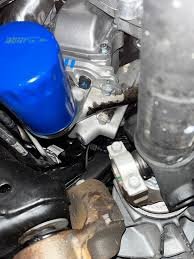
An oil cooler leak is a serious mechanical issue that can affect the performance, reliability, and lifespan of a vehicle’s engine. The oil cooler is an important component in many modern vehicles, especially high-performance cars, trucks, and vehicles designed for heavy-duty use. Its main purpose is to regulate the temperature of engine oil by transferring heat away from the oil as it circulates through the engine. When the oil cooler works properly, it helps maintain optimal oil temperature, allowing the engine to run smoothly and preventing overheating. However, when an oil cooler develops a leak, it can lead to oil loss, contamination of other fluids, reduced lubrication, and even severe engine damage if the problem is not addressed quickly.
Oil cooler leaks can occur for several reasons, including worn seals, corrosion, damaged lines, or physical impact. In some cases, the leak may start small and go unnoticed until symptoms such as oil spots under the vehicle or a drop in oil levels appear. Ignoring the issue can cause the engine to run with insufficient lubrication, which increases friction between internal components and can lead to costly repairs. Understanding what causes oil cooler leaks, how to recognize the warning signs, and what steps can be taken to fix or prevent them is essential for vehicle owners who want to protect their engines and maintain long-term performance.
What Is an Oil Cooler
An oil cooler is a heat-exchange device that helps regulate the temperature of engine oil while the engine is running. As the engine operates, oil circulates through internal components such as pistons, bearings, and valves to reduce friction and provide lubrication. During this process, the oil absorbs heat generated by the engine. If the oil becomes too hot, it can lose its effectiveness and may not provide proper lubrication. The oil cooler solves this problem by cooling the oil before it returns to the engine.
Most oil coolers work similarly to a small radiator. Engine oil passes through thin tubes or channels within the cooler, while air or coolant flows around these tubes to remove heat. This heat exchange process lowers the oil temperature and helps maintain the ideal operating range. Oil coolers are commonly found in performance vehicles, trucks, motorcycles, and heavy machinery where engines operate under high stress. By keeping the oil at a stable temperature, the oil cooler helps extend engine life, improve efficiency, and prevent overheating during demanding driving conditions.
How an Oil Cooler Leak Happens
An oil cooler leak occurs when oil escapes from the oil cooler system due to damage or wear in one of its components. The system typically includes the cooler unit itself, hoses or lines that carry oil to and from the cooler, and seals or gaskets that keep the system airtight. Over time, these parts can deteriorate because of heat, pressure, vibration, and exposure to environmental conditions.
One common cause of oil cooler leaks is worn or damaged seals. The rubber seals that connect the cooler to the engine can become brittle and crack after years of exposure to heat. When this happens, oil can seep out slowly and eventually form noticeable leaks. Another cause is corrosion, which can weaken the metal components of the cooler. Road salt, moisture, and debris can accelerate corrosion, especially in vehicles driven in harsh climates. In some cases, physical damage from road debris or an accident can puncture the cooler or its lines, causing an immediate leak. Regardless of the cause, even a small oil cooler leak can gradually worsen if it is not repaired promptly.
Common Symptoms of an Oil Cooler Leak
Recognizing the symptoms of an oil cooler leak early can help prevent serious engine damage. One of the most noticeable signs is the presence of oil spots or puddles underneath the vehicle. When the cooler or its lines leak, oil may drip onto the ground after the engine has been running. Another common symptom is a sudden drop in engine oil levels. Drivers may notice that they need to add oil more frequently than usual to maintain the proper level.
In some vehicles, an oil cooler leak may cause oil to mix with coolant if the cooler is integrated with the cooling system. This can lead to a milky or foamy appearance in the coolant reservoir. Drivers may also experience engine overheating because the oil is no longer being cooled effectively. Other warning signs include burning oil smells, visible smoke from the engine area, or warning lights on the dashboard related to low oil pressure. Paying attention to these symptoms and addressing them quickly can prevent further complications.
Risks of Ignoring an Oil Cooler Leak
Ignoring an oil cooler leak can lead to severe consequences for the engine and the entire vehicle. Engine oil plays a critical role in lubricating moving parts, reducing friction, and carrying heat away from internal components. When oil levels drop due to a leak, the engine may not receive adequate lubrication. This can cause metal parts to rub against each other, resulting in increased wear and potential engine failure.
Another risk is overheating. If the oil cooler is not functioning properly, the oil temperature can rise beyond safe limits. Overheated oil breaks down more quickly and loses its ability to protect engine components. In extreme cases, prolonged overheating can warp engine parts, damage seals, and lead to catastrophic engine failure. Additionally, leaking oil can create environmental hazards and increase the risk of fire if it comes into contact with hot engine surfaces. For these reasons, any oil cooler leak should be diagnosed and repaired as soon as possible.
How Mechanics Diagnose an Oil Cooler Leak
Diagnosing an oil cooler leak usually involves a detailed inspection of the engine and the oil cooling system. Mechanics typically begin by checking the area around the oil cooler and the connected hoses for visible signs of oil residue. Because oil leaks can spread across engine surfaces, technicians often clean the area first to identify the exact source of the leak.
Pressure testing is another common diagnostic method. By pressurizing the oil system or cooling system, mechanics can determine whether the oil cooler or its connections are leaking under operating conditions. In some cases, ultraviolet dye may be added to the engine oil to help locate small leaks that are difficult to see with the naked eye. Once the source of the leak is identified, the technician can determine whether the problem lies in the cooler itself, the seals, or the connecting lines.
Repairing an Oil Cooler Leak
Repairing an oil cooler leak depends on the specific cause of the problem. If the leak is caused by worn seals or gaskets, replacing these components may solve the issue. Seal replacement is often a relatively simple repair that can restore the system’s integrity and prevent further oil loss. However, if the cooler itself is damaged or corroded, it may need to be replaced entirely.
In cases where oil lines or hoses are cracked or loose, replacing the lines and securing the connections can eliminate the leak. After repairs are completed, the mechanic typically refills the engine oil and checks for any additional leaks during a test run. Proper repairs not only stop the leak but also ensure that the oil cooler can continue performing its function effectively.
Preventing Oil Cooler Leaks
Preventive maintenance plays an important role in avoiding oil cooler leaks. Regular oil changes help maintain the quality of the oil and reduce the buildup of contaminants that could damage the cooling system. During routine maintenance, mechanics often inspect the oil cooler and its connections for signs of wear, corrosion, or loose fittings.
Drivers can also help prevent leaks by avoiding rough driving conditions that may expose the underside of the vehicle to road debris. Keeping the engine bay clean and addressing minor issues early can also extend the lifespan of the oil cooler system. By maintaining the vehicle properly and monitoring oil levels regularly, drivers can reduce the likelihood of experiencing oil cooler leaks.
Conclusion
An oil cooler leak may seem like a minor issue at first, but it can quickly become a major problem if left untreated. The oil cooler plays a critical role in maintaining the proper temperature of engine oil, ensuring that the engine operates efficiently and reliably. When a leak occurs, it can lead to oil loss, overheating, and serious engine damage. Understanding the causes, symptoms, and repair methods associated with oil cooler leaks allows vehicle owners to take timely action and protect their engines from costly repairs. Regular inspections, proper maintenance, and prompt repairs are essential for keeping the oil cooler system in good condition. By addressing leaks early and maintaining the vehicle carefully, drivers can ensure that their engines remain well-lubricated, properly cooled, and capable of delivering long-term performance.
FAQ
What causes an oil cooler leak?
Oil cooler leaks can be caused by worn seals, corrosion, damaged oil lines, loose connections, or physical damage to the cooler itself.
Is it safe to drive with an oil cooler leak?
Driving with an oil cooler leak is not recommended because it can lead to low oil levels, overheating, and serious engine damage.
How do I know if my oil cooler is leaking?
Common signs include oil spots under the vehicle, a drop in engine oil levels, overheating, or a burning oil smell from the engine area.
How much does it cost to fix an oil cooler leak?
The cost depends on the cause of the leak. Replacing seals may be inexpensive, while replacing the entire oil cooler can be more costly.
Can an oil cooler leak cause engine overheating?
Yes, if the oil cooler cannot properly regulate oil temperature, the engine may overheat due to ineffective cooling.
How can I prevent an oil cooler leak?
Regular vehicle maintenance, checking oil levels, inspecting hoses and seals, and addressing small leaks early can help prevent oil cooler problems.
