

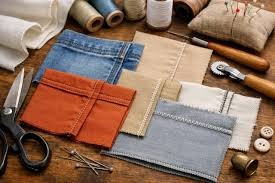
Sewing and textile construction are fundamental aspects of the fashion and garment industry. From everyday clothing to high-performance sportswear and industrial textiles, the way fabrics are joined together plays a crucial role in determining the durability, appearance, and functionality of a finished product. One of the most important technical aspects of sewing is the concept known in German as “Nahttypen,” which translates to “seam types.” Seam types refer to the various methods used to join two or more pieces of fabric together during the garment construction process.
The choice of seam type is not a simple decision. Designers, tailors, and manufacturers carefully select seam types based on factors such as fabric thickness, garment purpose, durability requirements, and aesthetic design. A seam that works well for a lightweight blouse may not be suitable for heavy denim jeans or outdoor jackets. Each seam type offers unique advantages and is used in specific situations to achieve the desired balance between strength, flexibility, and appearance.
Seams do more than just hold pieces of fabric together. They also influence the comfort of the garment, the way it fits the body, and how it performs during movement. For example, athletic clothing often uses flat seams that reduce friction against the skin, while formal garments may use carefully hidden seams to maintain a clean and elegant look. Industrial textiles such as tents, bags, and upholstery require seams that can withstand heavy stress and repeated use.
Understanding seam types is essential not only for professional fashion designers but also for hobbyists and sewing enthusiasts. Learning about different seam techniques allows individuals to create garments that are stronger, more comfortable, and visually appealing. It also helps people repair clothing more effectively and appreciate the craftsmanship involved in garment production.
This article explores the concept of Nahttypen in depth by examining the different types of seams used in sewing, their purposes, advantages, and applications in modern textile production. By understanding these techniques, readers can gain a deeper appreciation for the technical skills and design decisions that shape the clothing and textile products used in everyday life.
The Importance of Seam Types in Garment Construction
Seam types are one of the most critical elements in garment construction because they determine how fabric pieces interact with each other. A well-constructed seam ensures that a garment maintains its shape, withstands regular wear, and provides comfort to the wearer. Poor seam selection or incorrect sewing techniques can lead to problems such as tearing, puckering, or uncomfortable pressure points.
In the fashion industry, seam types also influence the overall aesthetic of a garment. Some seams are intentionally visible and contribute to the style of the design, while others are carefully hidden to create a smooth and polished appearance. Designers often experiment with different seam techniques to create unique textures or decorative elements.
Durability is another important factor. Garments subjected to frequent movement or stress require seams that can handle tension without breaking. Workwear, sportswear, and outdoor clothing often rely on reinforced seams that provide additional strength and stability.
Comfort is equally important. Certain seam types are designed to minimize friction and irritation against the skin. This is particularly important in athletic wear or clothing worn for extended periods. Flat seams, for example, are often used in sports garments to reduce chafing during physical activity.
Because of these considerations, seam types play a vital role in both the functional and aesthetic aspects of textile production.
Plain Seam
The plain seam is the most basic and widely used seam type in sewing. It involves placing two pieces of fabric together with their right sides facing each other and stitching along the edge. After sewing, the seam allowance is typically pressed open or to one side to create a flat finish.
Plain seams are commonly used in everyday clothing such as shirts, dresses, skirts, and trousers. They are relatively simple to create and work well with many types of fabrics. Because of their simplicity, plain seams are often the first technique taught to beginners learning how to sew.
One advantage of the plain seam is its versatility. It can be adapted for various fabric types and garment styles by adjusting the seam allowance or reinforcing the stitching. However, the raw edges of the fabric may fray over time, especially when working with loosely woven materials. To prevent fraying, additional finishing techniques such as zigzag stitching or overlocking may be applied.
Despite its simplicity, the plain seam forms the foundation of many more advanced seam techniques.
French Seam
The French seam is a refined seam type often used in garments made from lightweight or delicate fabrics such as chiffon, silk, or organza. Unlike the plain seam, the French seam encloses the raw fabric edges within the seam itself, creating a clean and elegant finish.
The process of creating a French seam involves sewing the fabric twice. First, the fabric pieces are placed with their wrong sides together and stitched with a narrow seam allowance. After trimming and pressing the seam, the fabric is folded so that the right sides face each other, and a second seam is sewn to enclose the raw edges.
French seams are popular in high-quality garments because they provide both durability and a polished appearance. The enclosed edges prevent fraying and give the inside of the garment a neat, professional look.
Although French seams require more time and precision than plain seams, they are highly valued in fine dressmaking and couture sewing.
Flat-Felled Seam
The flat-felled seam is known for its exceptional strength and durability. This seam type is commonly used in garments that require reinforced stitching, such as jeans, workwear, and sports clothing. It is easily recognizable by the two parallel lines of stitching visible on the outside of the garment.
To create a flat-felled seam, one seam allowance is trimmed shorter than the other. The longer allowance is then folded over the trimmed edge and stitched down, enclosing the raw edges completely. This construction creates a strong and smooth seam that lies flat against the fabric.
One of the main advantages of the flat-felled seam is its resistance to fraying and tearing. Because the raw edges are enclosed and reinforced, the seam can withstand heavy stress and repeated washing.
This seam type is particularly common in denim garments, where durability is essential.
Overlocked Seam
The overlocked seam, often created using a serger or overlock machine, is widely used in modern garment manufacturing. This seam type trims the fabric edge while simultaneously enclosing it with thread loops that prevent fraying.
Overlocked seams are especially useful for knit fabrics and stretch materials because they allow the seam to expand without breaking. This flexibility makes them ideal for T-shirts, leggings, and other stretch garments.
In industrial production, overlocked seams are valued for their efficiency. The machine can sew, trim, and finish seams in a single step, which significantly speeds up the manufacturing process.
While overlocked seams are practical and durable, they may not always provide the same polished appearance as other seam types used in high-end fashion.
Bound Seam
A bound seam is a technique in which the raw edges of the seam are enclosed with a strip of fabric or binding tape. This method is often used in garments where the inside of the seam will be visible or where extra reinforcement is required.
Bound seams are commonly found in unlined jackets, coats, and decorative garments. The binding adds both durability and a decorative element to the seam, enhancing the overall design of the garment.
This seam type requires careful precision because the binding must be evenly applied to achieve a neat finish.
The Role of Seam Types in Modern Textile Technology
As textile technology advances, seam construction continues to evolve. Modern sewing machines and automated production systems allow manufacturers to create strong and precise seams with high efficiency. Advanced seam techniques are also being developed for specialized industries such as medical textiles, aerospace materials, and protective clothing.
Innovations such as ultrasonic welding and heat sealing are even replacing traditional stitching in certain applications. These technologies join fabrics without thread, creating seamless structures that are waterproof and extremely durable.
Despite these technological advancements, traditional seam types remain essential in garment construction. They provide flexibility, aesthetic variety, and adaptability that many automated processes cannot fully replace.
Conclusion
Nahttypen, or seam types, are a fundamental aspect of sewing and textile production. They determine how fabric pieces are joined, how durable a garment will be, and how comfortable it feels when worn. From the simplicity of the plain seam to the refined elegance of the French seam and the strength of the flat-felled seam, each seam type serves a specific purpose in garment design.
Understanding seam types allows designers, tailors, and sewing enthusiasts to make informed decisions when constructing or repairing garments. The right seam technique can improve durability, enhance comfort, and contribute to the overall aesthetic of the finished product.
As the textile industry continues to evolve with new technologies and materials, seam construction will remain a crucial element in creating high-quality clothing and textile products. By appreciating the craftsmanship and technical knowledge behind seam types, individuals can better understand the artistry and engineering that go into the garments they wear every day.
Frequently Asked Questions (FAQs)
1. What does Nahttypen mean?
Nahttypen is a German term that translates to “seam types,” referring to the different methods used to join pieces of fabric together in sewing.
2. Why are seam types important in garment construction?
Seam types influence durability, comfort, appearance, and the overall quality of a garment.
3. Which seam type is the strongest?
Flat-felled seams are considered among the strongest seam types and are commonly used in durable garments like jeans.
4. What seam type is best for delicate fabrics?
French seams are ideal for delicate fabrics because they enclose the raw edges and create a neat finish.
5. Are seam types still important with modern textile technology?
Yes, seam types remain essential even with advanced technology because they provide flexibility, strength, and aesthetic options in garment design.
