

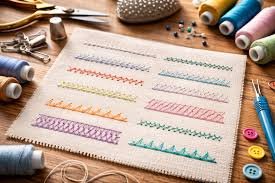
Nahttypen, a German term meaning “types of seams,” represents one of the most essential foundations in the world of sewing, garment construction, textile engineering, and fashion design, because seams are not merely functional lines joining pieces of fabric together but structural, aesthetic, and technical elements that determine durability, comfort, appearance, and overall quality of any textile product, whether it is a handcrafted dress, an industrial uniform, a luxury couture gown, or a home furnishing item like curtains or bedding, and understanding nahttypen allows designers, tailors, students, and hobbyists to create garments that fit better, last longer, look more professional, and meet the practical needs of the wearer in daily life, which is why studying seam types involves not only learning how to stitch fabric but also understanding material behavior, tension control, stitch density, finishing methods, and how different seam constructions interact with body movement, washing cycles, and environmental conditions over time, making nahttypen a central concept in textile education and professional tailoring across cultures and industries.
Basic Seam Types and Their Functions
Basic seam types form the backbone of all garment construction, because before advanced tailoring or decorative stitching can be attempted, the sewer must understand the simple joining techniques that provide structure and shape to clothing, and these seams include plain seams, French seams, flat-felled seams, and overlocked seams, each designed to handle different fabrics, stress levels, and aesthetic expectations, since a plain seam may be sufficient for lightweight cotton garments while a flat-felled seam is preferred for denim jeans because it encloses raw edges and adds strength against tearing, and French seams are especially useful in delicate fabrics like chiffon or silk because they hide raw edges inside a double fold that prevents fraying and gives a clean interior finish, while overlocked seams are commonly used in knit garments because they stretch with the fabric and prevent unraveling, and mastering these seam types requires practice in maintaining consistent seam allowance, pressing seams properly, choosing the right thread tension, and aligning fabric grain accurately so that the finished garment hangs naturally without twisting or puckering.
Decorative Seam Types and Aesthetic Impact
Decorative seam types go beyond structural needs and focus on visual design, texture, and style, because clothing is not only about covering the body but also about expressing identity, culture, and creativity, and designers use seams as artistic elements through piping seams, lapped seams, welt seams, topstitched seams, and contrast-thread seams, all of which can transform a simple garment into a visually striking piece, since piping seams add raised edges with inserted cords that create definition and elegance, while lapped seams overlap fabric layers for bold geometric looks often seen in leather garments, and welt seams add dimension through decorative folds that mimic pockets or panels, and topstitching can emphasize lines, create patterns, and reinforce edges while also contributing to brand identity in denim or sportswear, meaning that decorative seam techniques combine technical precision with artistic imagination, and they require careful planning of color coordination, thread thickness, seam placement, and pressing techniques to achieve professional results without distorting the fabric.
Industrial Seam Types in Mass Production
Industrial seam types are developed for speed, durability, and consistency in large-scale manufacturing environments where thousands of garments are produced daily, and these seams are engineered to balance cost efficiency with performance, because factories must minimize material waste, reduce labor time, and maintain uniform quality across production batches, which leads to the widespread use of chain stitches, cover stitches, safety stitches, and bound seams, all of which are optimized for industrial sewing machines that operate at high speed, and these seam types are chosen based on fabric weight, stretch properties, and garment function, such as using cover stitches in sportswear hems to allow flexibility, or safety stitches in trousers to combine strength and neat finishing in a single process, and understanding industrial nahttypen helps designers create patterns that are manufacturable and cost-effective while still meeting quality standards expected by consumers worldwide.
Seam Finishing Techniques for Durability
Seam finishing techniques are essential for protecting fabric edges, preventing fraying, improving comfort, and extending garment lifespan, because raw fabric edges can unravel over time due to washing, friction, and movement, leading to weakened seams and damaged clothing, and finishing methods such as zigzag stitching, pinking, binding, serging, and taped seams are used to stabilize edges and create smooth interior surfaces, especially in garments worn directly against the skin, where rough seams can cause irritation, and seam finishing is also important for waterproof garments where taped seams prevent moisture from entering through needle holes, and in luxury tailoring where bound seams add elegance to interior construction, showing that seam finishing is not an optional detail but a critical stage in professional garment making that combines functionality with craftsmanship.
Choosing the Right Seam for Different Fabrics
Choosing the right seam type for each fabric is one of the most important decisions in sewing, because different textiles behave differently under tension, heat, moisture, and movement, meaning that a seam suitable for denim may fail in silk, and a seam designed for woven cotton may not stretch with knit fabric, so tailors must consider fabric thickness, elasticity, weave structure, and intended garment use when selecting nahttypen, since lightweight fabrics require narrow seams to avoid bulk, heavy fabrics need reinforced seams to withstand strain, and stretchy fabrics require flexible seams that move with the material, and making the correct choice ensures that garments remain comfortable, durable, and visually appealing throughout their lifespan.
Historical Development of Seam Techniques
The history of seam techniques reflects the evolution of textile technology and human creativity, because early garments were sewn by hand using simple running stitches, and as civilizations advanced, specialized seam methods emerged to suit different climates, cultures, and materials, from reinforced seams in workwear to decorative seams in ceremonial clothing, and the invention of the sewing machine revolutionized nahttypen by enabling complex stitches to be produced quickly and consistently, leading to industrialization of clothing production and global fashion markets, and modern seam techniques now incorporate advanced materials, heat bonding, ultrasonic welding, and laser cutting, demonstrating how nahttypen continues to evolve alongside innovation in textile science and fashion design.
Common Mistakes in Seam Construction
Common mistakes in seam construction often result from rushing, poor planning, or lack of technical knowledge, and these errors include uneven seam allowance, skipped stitches, puckered seams, mismatched fabric edges, and incorrect thread tension, all of which can weaken the garment and reduce its aesthetic appeal, and beginners often neglect pressing seams during construction, which leads to bulky or twisted seams, while professionals know that pressing is essential for shaping fabric and achieving crisp lines, and avoiding these mistakes requires patience, practice, proper machine maintenance, and careful fabric preparation, including prewashing and accurate cutting.
Advanced Seam Techniques in Modern Fashion
Advanced seam techniques push the boundaries of creativity and engineering, especially in haute couture, sportswear technology, and performance clothing, where seams must be invisible, waterproof, flexible, or decorative in innovative ways, and designers use techniques such as bonded seams, laser-cut seams, seamless knitting integration, and 3D-constructed seams to create garments that combine comfort with futuristic aesthetics, and these methods often require specialized equipment and training, showing how nahttypen remains an active field of research and experimentation within fashion technology.
FAQ About Nahttypen
Nahttypen are important because they determine garment strength, comfort, and appearance, and beginners should start with plain seams and French seams before moving to decorative or industrial seam types, while the best seam for beginners is often the plain seam with zigzag finishing because it is simple and versatile, and seam allowance is typically between one and one and a half centimeters but can vary depending on pattern instructions, and choosing the correct needle and thread for fabric type helps prevent seam damage, and pressing seams after stitching improves garment quality significantly, and practicing on scrap fabric is the best way to master seam techniques before working on actual projects.
Conclusion
Nahttypen is more than just a technical topic in sewing, because seam types define how garments function, look, and endure through daily use, and understanding seam construction allows designers and hobbyists to create clothing that fits well, lasts longer, and reflects creativity and professionalism, and from simple plain seams to advanced bonded constructions, each seam type has a purpose shaped by fabric, function, and fashion trends, meaning that learning nahttypen is a lifelong journey combining art, science, and craftsmanship, and by mastering seam techniques, anyone can transform pieces of fabric into meaningful, beautiful, and durable garments that meet both practical needs and aesthetic desires.
