

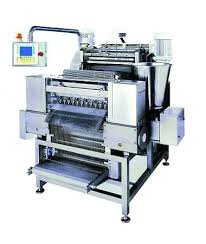
Tortellinatrice is a word that immediately evokes the rich culinary heritage of Italy combined with modern mechanical precision. It refers to a machine designed to produce tortellini, the iconic ring-shaped stuffed pasta that originated in the Emilia-Romagna region, particularly Bologna and Modena. Traditionally, tortellini were handmade with great care, requiring skilled hands, patience, and deep cultural knowledge passed down through generations. In today’s fast-paced world, where efficiency, consistency, and large-scale production are increasingly important, the tortellinatrice represents a bridge between tradition and innovation. It preserves the essence of an ancient recipe while adapting it to modern manufacturing needs. This article explores the concept of the tortellinatrice in depth, covering its historical roots, technological design, cultural importance, industrial applications, challenges, and future potential, showing how a simple machine can embody both heritage and progress.
The Historical Roots of Tortellini and the Need for Automation
Tortellini have a long and romantic history in Italian cuisine, often associated with legends and family traditions. For centuries, they were handmade by nonnas and skilled pasta makers who mastered the delicate art of rolling dough, preparing fillings, and shaping each piece into its characteristic form. This manual process ensured high quality and cultural authenticity, but it was also time-consuming and physically demanding. As Italian cuisine gained global popularity and demand for tortellini increased beyond local markets, the limitations of handmade production became clear. Restaurants, supermarkets, and food distributors required larger quantities with consistent size, shape, and quality. The tortellinatrice emerged as a response to this growing demand, offering a way to scale production while maintaining the essential characteristics of traditional tortellini. It symbolizes the moment when culinary tradition met industrial necessity, creating a new chapter in the story of pasta.
Understanding What a Tortellinatrice Is
A tortellinatrice is a specialized pasta-making machine designed to automate the process of producing tortellini. At its core, it integrates multiple functions that were once performed by hand, including dough sheeting, filling distribution, folding, shaping, and cutting. The machine takes prepared pasta dough and a chosen filling, such as meat, cheese, or vegetables, and transforms them into perfectly formed tortellini at high speed. Modern tortellinatrici are often equipped with adjustable settings that allow producers to control the thickness of the dough, the amount of filling, and the final size of the pasta. This flexibility makes the machine suitable for a wide range of recipes and market preferences. By combining mechanical precision with culinary tradition, the tortellinatrice ensures that each piece of pasta meets consistent quality standards while dramatically increasing production efficiency.
Technological Design and Mechanical Components
The technological design of a tortellinatrice reflects a careful balance between engineering precision and culinary sensitivity. The machine typically includes a dough-feeding system that rolls and flattens the pasta into thin sheets, ensuring uniform thickness across all pieces. A filling injection mechanism then places precise portions of stuffing onto the dough at regular intervals. Folding arms or rollers gently wrap the dough around the filling, forming the distinctive ring shape that defines tortellini. Cutting blades or molds separate individual pieces from the continuous sheet of pasta. Advanced models may include digital control panels, sensors, and programmable settings that allow operators to fine-tune every aspect of production. These features ensure not only efficiency but also consistency, minimizing waste and reducing the risk of defects. The result is a machine that embodies both industrial strength and delicate craftsmanship.
Preserving Culinary Tradition Through Machinery
One of the most interesting aspects of the tortellinatrice is how it preserves culinary tradition while introducing automation. Critics of industrial food production often argue that machines strip away authenticity and soul from traditional recipes. However, the tortellinatrice challenges this notion by carefully replicating the techniques used by skilled pasta makers. The folding and shaping mechanisms are designed to mimic the hand movements used to create traditional tortellini, ensuring that the final product retains its characteristic appearance and texture. Additionally, producers can use authentic recipes and high-quality ingredients, maintaining the original flavors and cultural identity of the dish. In this way, the tortellinatrice becomes a tool for cultural preservation, enabling traditional foods to reach a wider audience without sacrificing their essence.
Industrial Applications and Commercial Production
In commercial and industrial settings, the tortellinatrice plays a crucial role in meeting large-scale production demands. Food manufacturers, catering companies, and supermarket suppliers rely on these machines to produce thousands of pieces of tortellini per hour, ensuring a steady supply for both domestic and international markets. The machine’s efficiency reduces labor costs and production time, making it economically viable to offer high-quality tortellini at competitive prices. It also enables producers to experiment with new fillings, flavors, and product variations, responding quickly to changing consumer preferences. From frozen ready-meals to gourmet fresh pasta lines, the tortellinatrice supports a wide range of commercial applications, making it an essential asset in the modern food industry.
Small-Scale and Artisanal Use of Tortellinatrice
While tortellinatrici are often associated with large factories, they also have significant value for small-scale producers and artisanal pasta shops. Compact and semi-automatic models are available for restaurants, local bakeries, and specialty food businesses that want to increase production without losing their artisanal identity. These machines allow small producers to maintain control over ingredients and recipes while reducing the physical strain of manual labor. By combining traditional craftsmanship with mechanical assistance, small businesses can expand their reach, improve consistency, and remain competitive in a crowded market. The tortellinatrice thus serves as a democratizing technology, making efficient production accessible to both large corporations and independent artisans.
Economic Impact and Market Growth
The widespread adoption of tortellinatrici has had a notable economic impact on the pasta industry. By increasing production capacity and reducing costs, these machines have contributed to the global expansion of tortellini as a popular food product. Export markets have grown, introducing Italian pasta traditions to consumers around the world. This growth has created new business opportunities for machine manufacturers, ingredient suppliers, logistics companies, and food retailers. At the same time, it has helped preserve jobs in the food sector by enabling companies to scale operations sustainably. The tortellinatrice thus plays a vital role not only in culinary innovation but also in economic development and international trade.
Challenges and Limitations of Automation
Despite its many advantages, the tortellinatrice is not without challenges and limitations. One of the main concerns is the initial cost of purchasing and maintaining the machine, which can be prohibitive for small businesses with limited budgets. Technical malfunctions, mechanical wear, and the need for regular maintenance require specialized knowledge and ongoing investment. There is also the risk that excessive reliance on automation could lead to a loss of traditional skills and craftsmanship if younger generations no longer learn manual pasta-making techniques. Additionally, some consumers may perceive machine-made tortellini as less authentic than handmade versions, creating a marketing challenge for producers. Balancing efficiency with tradition remains an ongoing challenge for the industry.
Sustainability and Environmental Considerations
Sustainability is an increasingly important factor in modern food production, and the tortellinatrice has a role to play in this area as well. Energy-efficient models and eco-friendly manufacturing practices can reduce the environmental footprint of pasta production. Precise portion control and consistent shaping help minimize food waste, while improved logistics and packaging solutions can further enhance sustainability. Some manufacturers are exploring the use of biodegradable materials and renewable energy sources to make tortellinatrici more environmentally responsible. By aligning technological innovation with environmental awareness, the pasta industry can ensure that the benefits of automation do not come at the expense of the planet.
Future Innovations and Technological Advancements
The future of the tortellinatrice is filled with exciting possibilities as technology continues to evolve. Artificial intelligence and machine learning could be integrated into future models, enabling real-time quality control, predictive maintenance, and adaptive production settings. Smart sensors might monitor dough consistency, filling distribution, and environmental conditions, automatically adjusting parameters to maintain optimal quality. Robotics and advanced automation could further reduce human intervention, increasing efficiency and safety. Virtual reality and digital training tools could help operators learn how to use and maintain the machines more effectively. These innovations promise to make the tortellinatrice even more powerful, versatile, and accessible in the years to come.
Cultural Significance and Global Influence
Beyond its technical and economic impact, the tortellinatrice holds deep cultural significance. It represents the global spread of Italian culinary heritage and the ability of traditional foods to adapt to modern contexts. By enabling mass production of tortellini, the machine has helped introduce this iconic dish to people who might never have encountered it otherwise. At the same time, it raises important questions about how cultures preserve authenticity in an age of globalization and automation. The tortellinatrice serves as a reminder that technology and tradition do not have to be opposing forces; when thoughtfully integrated, they can complement and enrich each other.
Conclusion
The tortellinatrice is far more than a simple pasta-making machine; it is a symbol of the dynamic relationship between tradition and innovation. By automating the production of tortellini, it has transformed the pasta industry, making a beloved cultural dish accessible to a global audience while preserving its essential characteristics. From its historical roots and mechanical design to its economic impact and future potential, the tortellinatrice embodies the idea that technology can enhance, rather than replace, human creativity and craftsmanship. While challenges related to cost, authenticity, and sustainability remain, the opportunities for positive impact are immense. As the world continues to evolve, the tortellinatrice stands as a powerful example of how ancient culinary traditions can thrive in a modern, technology-driven era.
FAQs
What is a tortellinatrice?
A tortellinatrice is a specialized machine designed to automate the production of tortellini by handling dough rolling, filling, shaping, and cutting processes with precision and efficiency.
Does using a tortellinatrice affect the authenticity of tortellini?
When used with traditional recipes and high-quality ingredients, a tortellinatrice can preserve the essential characteristics of authentic tortellini while improving consistency and production speed.
Is a tortellinatrice only for large factories?
No, tortellinatrici come in various sizes and configurations, including compact models suitable for small businesses, restaurants, and artisanal pasta shops.
What are the main benefits of using a tortellinatrice?
Key benefits include increased production capacity, consistent quality, reduced labor costs, and the ability to meet growing market demand efficiently.
What challenges are associated with tortellinatrici?
Challenges include high initial costs, maintenance requirements, potential loss of traditional skills, and the need to balance automation with cultural authenticity.
