

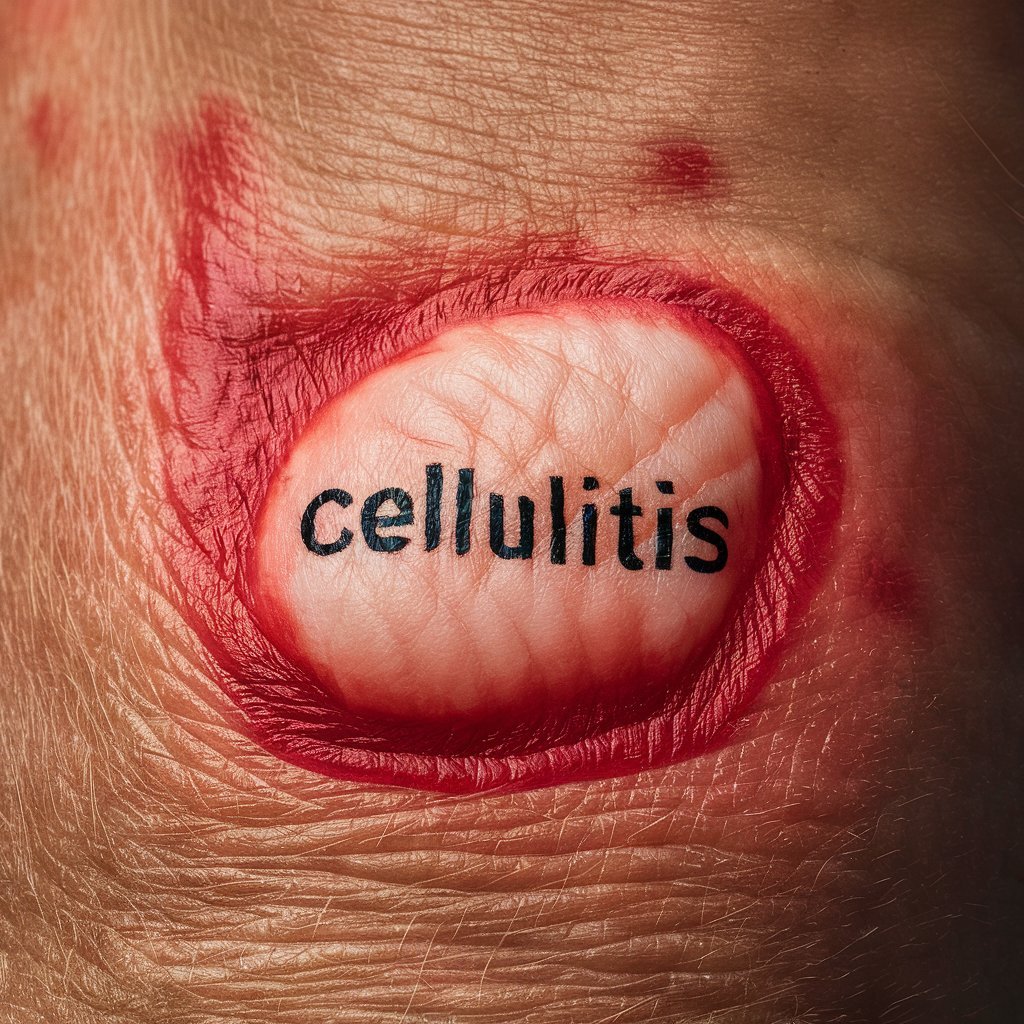
Cellulitis is a common skin infection that many people hear about but do not fully understand. At first, it may look like a small patch of red or swollen skin. However, if left untreated, cellulitis can become serious and spread quickly. The good news is that when it is diagnosed early, cellulitis is usually easy to treat and most people recover completely.
This article explains cellulitis in a clear and simple way. You will learn what it is, what causes it, how it feels, how doctors treat it, and how you can lower your risk of getting it.
What Is Cellulitis
Cellulitis is a bacterial infection of the skin and the soft tissue beneath it. It usually affects the deeper layers of the skin rather than just the surface. The infection most often appears on the legs, but it can also develop on the arms, face, or other areas of the body.
The bacteria enter the skin through a break such as a cut, scratch, insect bite, or surgical wound. Once inside, the bacteria begin to multiply and cause inflammation.
Common Causes of Cellulitis
Cellulitis is most often caused by bacteria that normally live on the skin. These bacteria become harmful when they enter through damaged skin.
The most common bacteria involved are:
-
Streptococcus
-
Staphylococcus
In some cases, antibiotic-resistant bacteria can also cause cellulitis, especially in hospital or healthcare settings.
Common ways bacteria enter the skin include:
-
Cuts and scrapes
-
Burns
-
Insect bites
-
Cracked or dry skin
-
Surgical wounds
-
Foot infections such as athlete’s foot
Who Is at Higher Risk
Anyone can develop cellulitis, but certain people have a higher risk.
Risk factors include:
-
Diabetes
-
Poor circulation
-
A weakened immune system
-
Chronic skin conditions like eczema
-
Swelling in the arms or legs
-
Previous episodes of cellulitis
-
Obesity
Older adults are also more vulnerable because their skin becomes thinner and more fragile with age.
Symptoms of Cellulitis
Cellulitis usually develops quickly, often within a day or two. The symptoms may start mild and worsen over time.
Common symptoms include:
-
Redness that spreads
-
Swelling
-
Warmth in the affected area
-
Pain or tenderness
-
Tight or shiny skin
In more severe cases, people may experience:
-
Fever
-
Chills
-
Fatigue
-
Blisters
-
Red streaks spreading from the area
If cellulitis affects the face or causes fever, it should be treated as a medical emergency.
How Cellulitis Is Diagnosed
Doctors usually diagnose cellulitis based on a physical examination and medical history. In most cases, no special tests are needed.
However, blood tests or skin cultures may be done if:
-
The infection is severe
-
The patient does not respond to treatment
-
The immune system is weak
-
The infection keeps returning
Early diagnosis is important because cellulitis can spread to the bloodstream or lymph nodes if not treated.
Treatment Options for Cellulitis
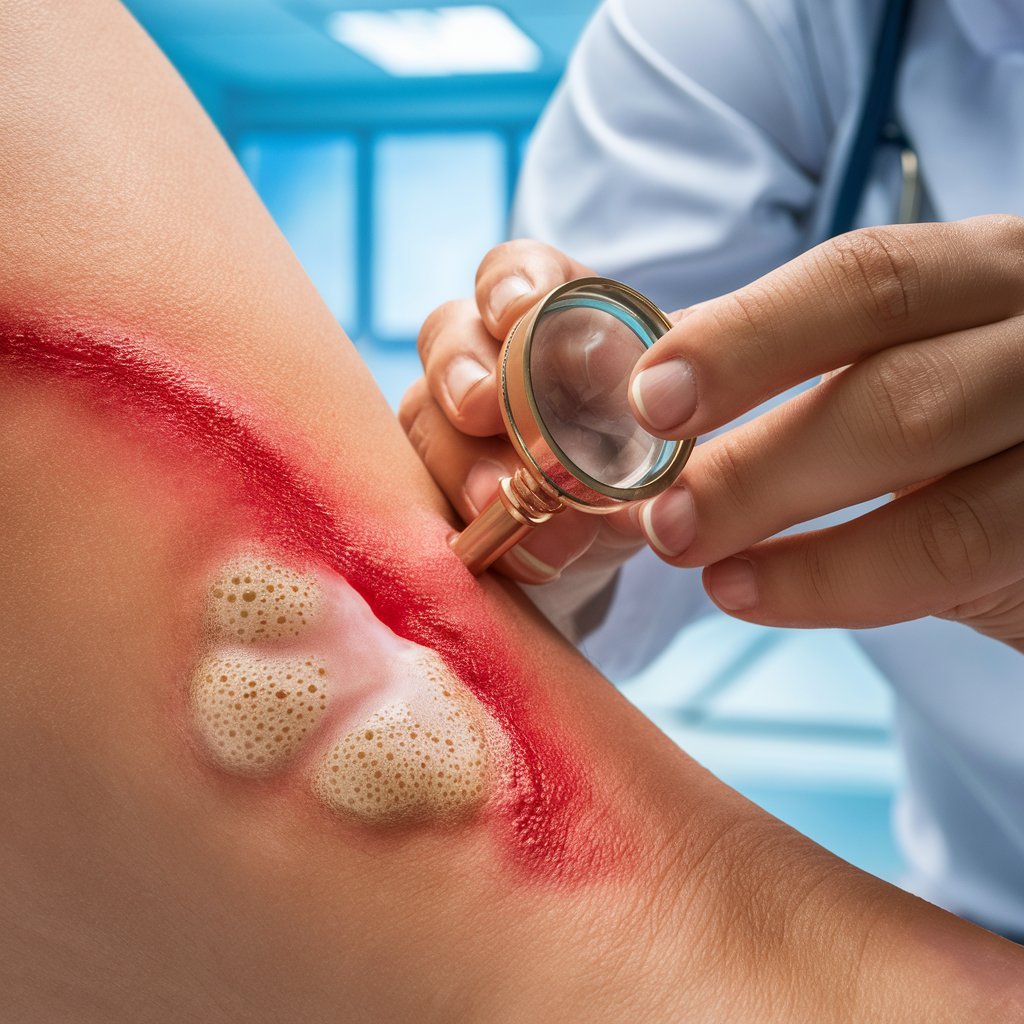
The main treatment for cellulitis is antibiotics. The type and duration depend on how severe the infection is.
Oral Antibiotics
Most mild to moderate cases are treated with oral antibiotics taken at home. Improvement usually begins within two to three days.
It is very important to finish the full course of antibiotics even if symptoms improve early.
Intravenous Antibiotics
Severe cases may require treatment in a hospital with antibiotics given through a vein. This is more common when cellulitis spreads rapidly or causes high fever.
Supportive Care
Additional care may include:
-
Resting the affected area
-
Elevating swollen limbs
-
Pain relief medication
-
Keeping the skin clean and dry
What Happens If Cellulitis Is Not Treated
Untreated cellulitis can lead to serious complications. The infection may spread deeper into the body and cause lasting damage.
Possible complications include:
-
Abscess formation
-
Blood infection
-
Bone infection
-
Permanent swelling
-
Tissue damage
Prompt treatment greatly reduces the risk of complications.
Recovery and Healing Time
Most people begin to feel better within a few days of starting treatment. Redness and swelling may take longer to fully disappear.
Complete recovery usually occurs within one to two weeks. In some cases, especially if swelling is severe, healing may take longer.
How to Prevent Cellulitis
Preventing cellulitis starts with good skin care and awareness.
Helpful prevention tips include:
-
Clean cuts and wounds right away
-
Use antiseptic on broken skin
-
Keep skin moisturized to prevent cracking
-
Treat fungal foot infections promptly
-
Wear protective clothing during activities
-
Manage chronic conditions like diabetes
If you have had cellulitis before, your doctor may recommend extra preventive measures.
Living With Recurrent Cellulitis
Some people experience repeated episodes of cellulitis. This can be frustrating and stressful.
Managing recurrent cellulitis often involves:
-
Treating underlying skin problems
-
Reducing swelling
-
Improving circulation
-
Long-term preventive antibiotics in rare cases
Working closely with a healthcare provider can help reduce recurrence.
Conclusion
Cellulitis is a common but potentially serious skin infection. While it can look alarming, most cases are easy to treat when caught early. Knowing the symptoms, understanding risk factors, and practicing good skin care can make a big difference.
If you ever notice rapidly spreading redness, swelling, or pain in your skin, it is important to seek medical advice right away. Early action leads to faster healing and better outcomes.
Frequently Asked Questions About Cellulitis
Is cellulitis contagious?
No, cellulitis itself is not contagious and cannot spread from person to person.
Can cellulitis go away on its own?
No. Cellulitis requires antibiotic treatment. Without it, the infection can worsen.
How long does cellulitis last?
With treatment, most cases improve within a few days and heal within one to two weeks.
Can cellulitis come back?
Yes. People with risk factors may experience recurrent infections.
When should I see a doctor?
Seek medical help if you have spreading redness, fever, swelling, or pain in the skin.
